Experiencing a vehicle collision is one of the most stressful events a driver can face on the road. Whether it involves a minor low-speed parking lot scrape or a severe high-speed highway impact, the sudden shock of an accident leaves vehicle owners feeling overwhelmed. In the immediate aftermath, dealing with insurance adjusters, arranging transportation, and worrying about whether a damaged vehicle can ever be safely driven again creates significant anxiety.
Restoring a collision-damaged vehicle back to its pre-accident condition is a complex, highly technical process that extends far beyond simple cosmetic touch-ups. Modern automobiles are intricate machines constructed from high-strength steels, lightweight aluminum, complex computer sensors, and delicate drivetrain components. Bringing a damaged vehicle back to factory safety standards requires a systematic, multi-stage recovery plan executed by certified automotive specialists. Here is an in-depth walkthrough of how professional automotive recovery and collision restoration services work together to return your vehicle to showroom condition.
Choose Specialized Transport Professionals to Prevent Secondary Frame and Drivetrain Damage
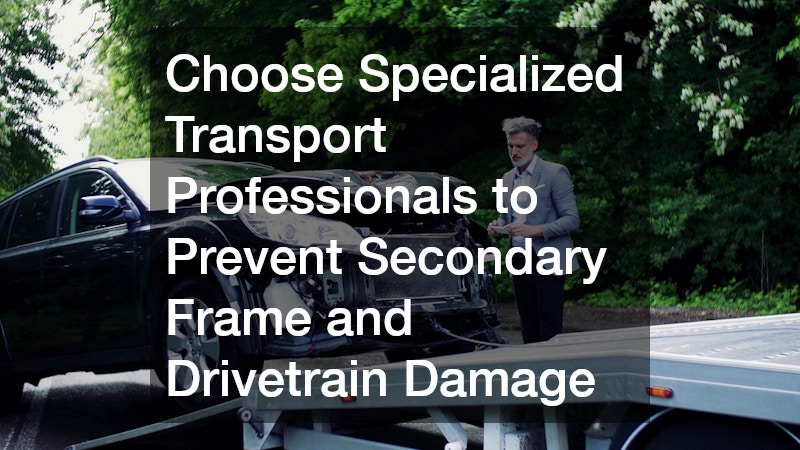
The vehicle restoration journey begins at the crash site. Immediately following an impact, one of the most critical decisions a driver can make is resisting the urge to drive a visibly damaged car away from the scene. Even if the engine starts and the tires appear inflated, unseen structural shifts, bent suspension arms, cracked radiator tanks, or leaking fluid lines can cause sudden catastrophic failure if driven under its own power.
Attempting to roll a damaged vehicle down the road can cause secondary damage that turns a repairable fender bender into a complete loss. Broken suspension components can jam into rotating tires, while low transmission or engine oil levels can seize internal engine assemblies within minutes.
Partnering with established towing companies guarantees that your vehicle is evaluated by trained recovery operators who understand proper transport protocols. Professional operators assess the vehicle’s rolling condition and secure loose body panels before winching it onto flatbed transport trailers.
Utilizing specialized towing services ensures your vehicle is lifted completely off the road surface, protecting its undercarriage, all-wheel-drive transfer cases, and delicate bumper sensors during transit directly to a certified repair facility.
Deploy Specialized Rigging Equipment for Rollovers, Off-Road Recoveries, and Heavy Off-Road Frames
Standard recovery flatbeds work well for conventional passenger sedans, but major highway pileups, off-road embankments, and commercial accidents require a higher level of heavy recovery engineering. When large utility vehicles, lifted trucks, or commercial trailers collide, standard winching techniques can cause severe frame twisting or structural rollover damage during extraction.
Heavy recovery operations require industrial-grade machinery and certified rigging specialists trained in weight distribution and recovery dynamics. Specialized recovery teams utilize heavy rotator cranes, multi-ton winches, and inflatable airbags lifting systems to right overturned vehicles gently without crushing unibody pillars or cabin roofs.
Calling for specialized heavy-duty towing equipment allows operators to anchor deep recovery lines, stabilize unstable vehicle frames, and lift massive weight loads cleanly out of ditches or off guardrails.
Trained recovery technicians ensure that even severely mired or overturned commercial vehicles are recovered with structural integrity preserved, allowing body technicians to begin precision rebuild work once the vehicle arrives at the repair facility.
Utilize Laser-Guided Alignment Systems to Restore Factory Unibody Tolerances
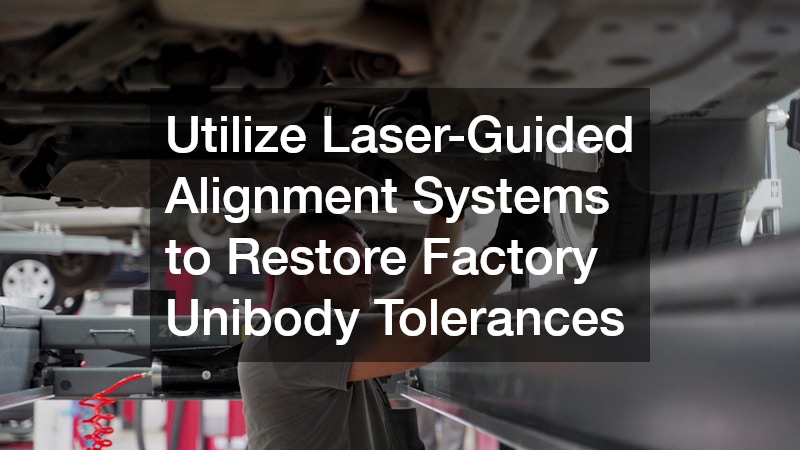
Once a damaged vehicle arrives at the repair facility, the true structural restoration work begins. Modern vehicles are built using unibody construction, where the outer body panels and floor pan are welded together to form a single, rigid structural cage. During a crash, an engineered “crumple zone” deliberately deforms to absorb and dissipate impact energy away from the passenger cabin.
Restoring this structural cage requires specialized hydraulic pulling benches and computerized measurement equipment. Technicians secure the vehicle chassis to heavy steel alignment racks that pull and reshape crushed steel back to original dimensions using thousands of pounds of hydraulic force.
Entrusting your vehicle to a fully equipped auto body shop ensures that technicians have access to computerized 3D laser measuring systems that compare the damaged frame against factory blueprinted dimensions down to the single millimeter.
Sourcing comprehensive auto body services guarantees that every stage of structural repair—from pulling frame rails and replacing crumpled inner aprons to welding new quarter panels and applying anti-corrosion seam sealers—is completed according to strict manufacturer guidelines.
Replace Shattered Windshields and Tempered Safety Glass to Maintain Structural Cabin Strength
Many drivers assume that auto glass serves a purely cosmetic purpose, functioning simply to block wind, rain, and road debris. However, structural glass plays a crucial role in a modern vehicle’s overall safety cage design. In a severe accident, the front windshield provides up to thirty percent of the structural roof strength, preventing cabin collapse during a rollover event. Furthermore, windshield glass acts as a backing wall for passenger-side airbag deployment.
During a collision, laminated windshield glass and tempered side windows often crack, shatter, or separate from their polyurethane bonding beds:
- Laminated Glass Stress: Front windshields consist of two glass layers sandwiched around a flexible plastic interlayer that holds shattered pieces together during impact.
- Tempered Glass Disintegration: Side and rear windows are heat-treated to shatter into tiny, dull pebbles upon impact, preventing sharp shards from injuring occupants.
- Adhesion Bond Failure: Severe frame twisting can tear the high-strength urethane seal holding the glass to the metal pinch weld, exposing the cabin to water leaks and structural weakness.
Scheduling prompt auto glass repair or full windshield replacement using original equipment manufacturer glass restores the structural rigidity of the passenger cabin.
Certified technicians use industrial-grade urethane adhesives and recalibrate Advanced Driver Assistance Systems cameras mounted behind the glass, ensuring lane-departure warnings and automatic emergency braking features function correctly.
Inspect Internal Drivetrain Components and Cooling Networks Before Road Testing
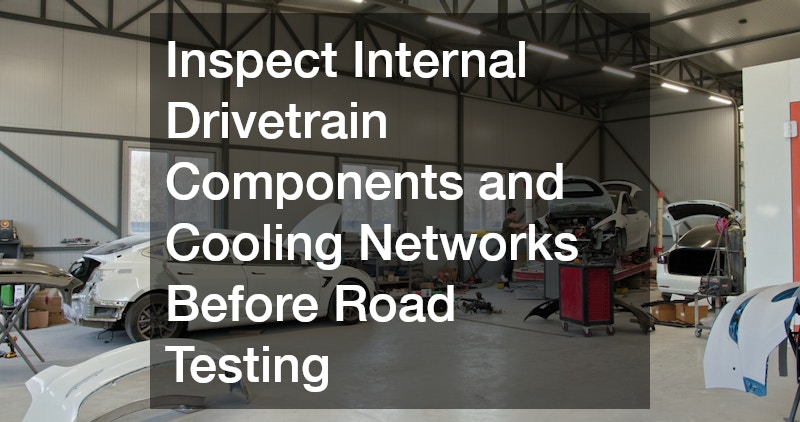
While exterior panel repair and glass replacement address visual damage, front-end collisions frequently cause severe internal mechanical damage. The impact force that buckles a front bumper often drives cooling radiators back into engine accessory belts, cracks aluminum oil pans, shears engine mounts, or bends delicate steering linkages.
Before any vehicle can be cleared for paint or road testing, mechanical technicians must conduct a comprehensive teardown of the engine bay and front drivetrain.
Key mechanical inspection targets after an impact include:
- Cooling and Fluid Systems: Inspecting radiators, air conditioning condensers, power steering lines, and transmission coolers for micro-fractures, fluid leaks, and structural crushing.
- Drivetrain Mounts and Alignment: Checking rubber and hydraulic engine/transmission mounts for tears or metal stress, and inspecting driveshafts and axle shafts for bends.
- Electrical Wiring Harnesses: Scanning main engine wiring looms for pinched wires, sheared connectors, or damaged fuse distribution blocks caused by shifting metal.
Executing a complete engine repair addresses internal mechanical stresses, cracked cylinder heads, and damaged timing components caused by sudden kinetic energy transfer during a crash.
Working with an integrated repair team offering full-scope auto collision services ensures that structural bodywork, electrical diagnostics, and mechanical engine overhauls are coordinated seamlessly under one roof for complete vehicle safety.
Apply Factory Color Matches, Precision Vinyl Elements, and Eco-Friendly Metal Salvage
After structural frame alignment, glass replacement, and mechanical repairs are finalized, the vehicle moves to the refinishing department. Replicating a factory finish requires sophisticated paint preparation, computer-controlled color matching, and meticulous surface finishing to ensure new paint matches the existing panels seamlessly.
Technicians use computerized spectrophotometers to scan the vehicle’s existing paint, accounting for subtle factory color variations, metallic flake sizes, and natural sun fading. Paint is sprayed inside climate-controlled down-draft booths and baked at high temperatures to produce a durable, high-gloss clear coat finish.
If your vehicle features original factory accent striping, custom decals, or specialized branding graphics, expert technicians apply a new, high-grade car graphic layer over fresh paint to restore the exact visual styling the vehicle had before the accident.
During the panel replacement and structural repair phase, significant amounts of ruined metal panels, crushed radiators, and broken steel brackets are removed from the vehicle. Progressive repair facilities direct all unrepairable metal components to scrap metal recycling programs, ensuring that crushed aluminum hoods, steel fenders, and iron engine parts are melted down and reused rather than dumped into landfills.
Conduct Multi-Point Quality Inspections and Test Drives to Guarantee Factory Performance
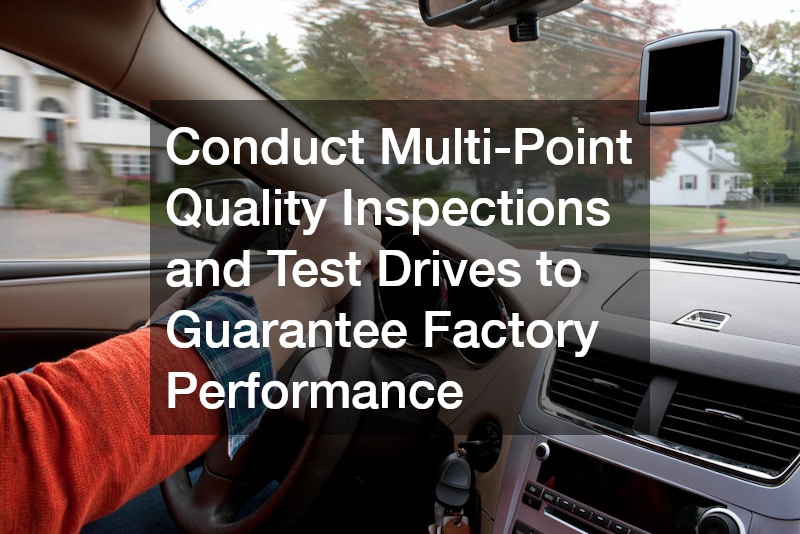
The final stage of collision restoration involves rigorous quality assurance auditing. Before keys are handed back to the owner, a restored vehicle must pass comprehensive mechanical, electronic, and safety system inspections to confirm that every repaired component performs as intended by the manufacturer.
Computerized Sensor Recalibration
Modern vehicles are covered in electronic sensors, radar units, and cameras that control safety features:
- Blind-Spot Radar Alignment: Recalibrating sensors located behind rear bumper covers to ensure accurate vehicle detection in adjacent lanes.
- Adaptive Cruise Control Target Calibration: Testing front grille radar units to maintain proper follow distances on the highway.
- Diagnostic Error Code Sweeps: Running full-system OBD-II computer scans to clear historical trouble codes and verify that no active airbag or ABS fault lights remain.
Wheel Alignment and Suspension Geometry
Even subtle suspension misalignments can cause rapid tire wear and unpredictable handling:
- Computerized Four-Wheel Alignment: Adjusting camber, caster, and toe angles to factory specifications on a precision alignment bench.
- Suspension Stress Sweeps: Inspecting control arms, ball joints, and strut towers under load to eliminate steering pull or vibration.
Real-World Road Testing and Leak Sweeps
Final verification requires testing the vehicle under actual driving conditions:
- Dynamic Road Testing: Driving the vehicle across various road surfaces to check for wind noise, cabin squeaks, brake feel, and smooth gear shifting.
- High-Pressure Water Testing: Subjecting newly installed windshields, door seals, and trunk lids to high-pressure water spray booths to guarantee completely watertight seals.
Navigating Insurance Claims, Supplement Adjustments, and Vehicle Value Retention
A crucial yet often intimidating aspect of post-accident recovery involves managing insurance claims and protecting your financial equity in the vehicle. Professional collision facilities act as patient advocates, working directly with insurance adjusters to ensure that every necessary structural and mechanical repair is fully funded without compromising quality.
Managing Insurance Supplements
During the initial visual estimate, insurance appraisers can only document obvious exterior damage. Once technicians disassemble damaged body panels, hidden structural or mechanical issues frequently come to light:
- Teardown Inspection Reports: Detailed digital photographs and diagnostic scans are submitted to the insurance provider as official supplement requests.
- OEM Parts Authorization: Professional shops advocate for Original Equipment Manufacturer parts rather than cheap aftermarket alternatives to ensure exact fitment and crash-test safety compliance.
- Direct Billing Coordination: Establishing direct communication between the repair shop and insurance provider minimizes out-of-pocket delays and keeps the repair timeline moving smoothly.
Addressing Inherent Diminished Value
Even after a vehicle is restored to flawless factory condition, its historical market value may experience an inherent drop simply due to the existence of an accident report on vehicle history databases:
- Filing Diminished Value Claims: In many jurisdictions, drivers involved in non-fault accidents can file a diminished value claim with the at-fault party’s insurance to recover lost market value.
- Documenting High-Quality Repairs: Presenting comprehensive, line-item repair receipts and laser frame measurement certificates demonstrates to future buyers that all structural repairs were executed to certified standards, mitigating value loss.
Long-Term Protection Measures for Restored Vehicles
Once your vehicle has been fully restored, taking proactive steps helps preserve its newly applied finish, structural integrity, and long-term resale value:
- Observe Paint Curing Periods: Fresh clear coat takes several weeks to cure completely. Avoid commercial drive-through car washes, harsh chemical detergents, or applying paste wax for the first thirty to sixty days following repair.
- Review Lifetime Labor Warranties: Reputable collision centers provide written lifetime warranties covering frame alignment accuracy, structural welds, and paint finish against peeling or cracking for as long as you own the vehicle.
- Maintain Detailed Repair Documentation: Keep an itemized file containing line-item repair invoices, parts replacement lists, frame alignment spec sheets, and paint codes. Providing full documentation proves to future buyers that all collision repairs were executed professionally using certified parts.
- Schedule Post-Repair Follow-Ups: Re-visit your repair facility after 500 to 1,000 miles of driving to have technicians perform a quick visual sweep of wheel lug torque, fluid fittings, and suspension alignment.
Restoring Confidence on the Open Road
A major vehicle collision is a frustrating, disruptive event, but modern automotive restoration techniques make it possible to bring even severely damaged vehicles back to factory safety, structural strength, and visual elegance. By coordinating emergency roadside recovery, laser-guided frame alignment, precision mechanical repairs, structural glass replacement, and flawless paint refinishing, certified automotive specialists systematically reverse the effects of an impact.
Understanding the detailed stages of professional collision restoration allows you to make informed decisions throughout the repair process. Partnering with certified, fully equipped automotive recovery and collision specialists ensures that your vehicle receives the expert care it deserves—giving you total confidence, safety, and peace of mind when you get back behind the wheel.