
Revamping your vehicle does not have to mean a full custom build or a massive expense. For most car owners, it means restoring the things that make a vehicle feel dependable, comfortable, and worth driving every day. A smart refresh can improve safety, appearance, resale value, and overall enjoyment without turning into a money pit.
The key is to approach the project with a plan. Many owners waste money on cosmetic upgrades before dealing with the issues that really affect how the vehicle performs and feels. A better approach is to assess the car honestly, prioritize the most important fixes, and make improvements in a logical order. When you do that, even an older vehicle can feel dramatically newer.
Start With a Full Assessment
Before making any upgrades, figure out what your car actually needs. Walk around the vehicle in good lighting and check for dents, chipped paint, rust spots, cracked glass, faded trim, and worn headlights. Then inspect the interior for torn upholstery, stains, sagging fabric, broken trim, and lingering odors. Finally, think about how the car drives. Notice any vibration, pulling, slow braking, warning lights, leaks, or unusual sounds.
This first step matters because cosmetic work only goes so far if the vehicle still has unresolved mechanical issues. Many owners are tempted to focus on visible improvements first, but basic auto repairs often have a bigger impact on the overall driving experience. A clean, polished vehicle still feels neglected if it rides poorly or has reliability problems. In the same way, delaying a small car repair can sometimes turn a manageable issue into a much larger expense.
A practical way to organize your inspection is to sort your findings into three groups:
- Safety and reliability issues
- Functional problems that affect comfort or drivability
- Cosmetic flaws that affect appearance
That list becomes your roadmap. It also helps you spend with intention rather than reacting to whatever bothers you most in the moment.
Set a Budget Before You Start Spending

Once you know what needs attention, build a budget that fits the car’s age, value, and your plans for it. A vehicle you want to keep for several years is usually worth more investment than one you plan to replace soon.
Divide your budget into categories such as mechanical work, body repairs, glass, paint, interior restoration, and detailing. Then get a few estimates so you understand what the project may actually cost. Quotes from auto repair services can help you prioritize which jobs need to happen first and which ones can wait. It is also smart to compare pricing and communication style from local auto repair services, since convenience and trust matter just as much as the number on the estimate.
As you budget, keep a few rules in mind:
- Handle safety and reliability issues first
- Leave room for unexpected costs
- Avoid overspending on appearance if major problems still exist
- Focus on value, not just the lowest quote
A realistic budget keeps the project manageable and prevents you from starting work you cannot finish properly.
Repair Exterior Damage Early
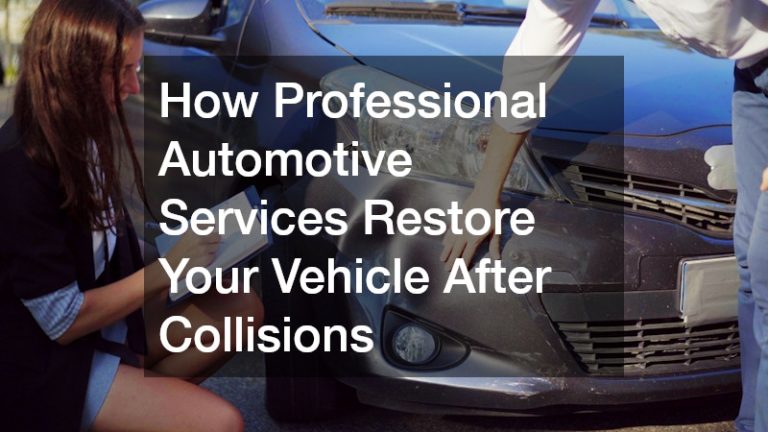
Dents, scratches, cracked bumpers, and misaligned panels may look cosmetic, but they can lead to bigger problems over time. Damaged body panels can expose metal to moisture, encourage rust, and make the vehicle harder to protect from daily wear.
Look closely at high-risk areas such as wheel arches, rocker panels, bumper corners, and door edges. If the damage has broken the paint or exposed bare material underneath, it should move higher on your list.
This is where an experienced auto body shop can be worth the investment. Proper repair is not only about making the panel look smooth again. It is also about restoring protection, fit, and long-term durability. In some cases, a local body shop may be the best option if you want more personal service or easier follow-up communication.
When comparing repair shops, ask about:
- Paint matching quality
- Whether they repair or replace damaged panels
- Warranty coverage
- The type of parts being used
- Hidden damage inspections
Exterior repair improves more than looks. It protects your investment and creates a stronger base for any later work you plan to do.
Refresh the Finish for a Cleaner, Newer Look
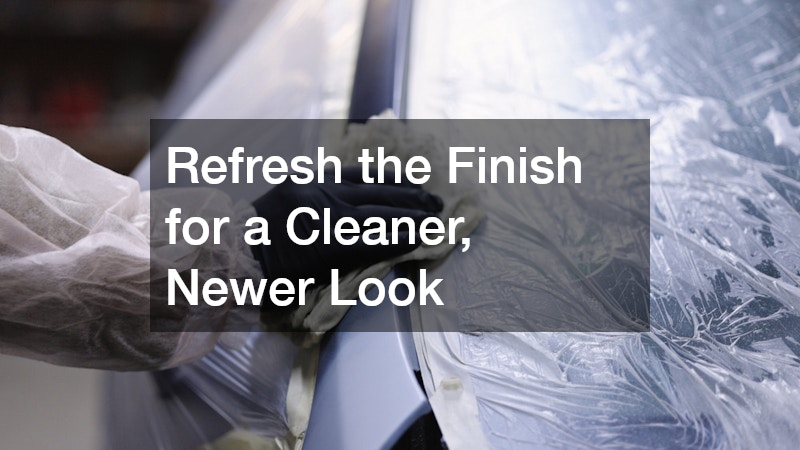
Paint condition affects how old or neglected a car appears. Even if the vehicle is mechanically solid, faded or scratched paint can make it feel tired. The good news is that a tired finish does not always need a full repaint. In many cases, correction work and targeted refinishing can make a major difference.
Start by identifying the type of paint damage. Light swirl marks and dullness may respond well to polishing, while peeling clear coat, deep scratches, oxidation, and chipped areas often need more involved treatment. A professional evaluation can help you decide whether the problem is mostly surface-level or severe enough to justify panel refinishing.
A quality auto paint service can restore gloss, improve color consistency, and help protect the body from future wear. Depending on the condition of the vehicle, you may only need spot work on a few panels rather than a larger repaint.
To keep the finish looking better for longer:
- Wash regularly with car-safe products
- Remove sap, bird droppings, and bug residue quickly
- Avoid harsh automatic car washes
- Use a wax, sealant, or protective coating
- Park in shade or covered areas when possible
Paint correction is one of the most noticeable improvements you can make, especially when paired with body repairs and a good detail.
Deal With Glass Damage Promptly
Small chips and cracks are easy to ignore, but damaged glass rarely stays the same for long. Changes in temperature, road vibration, and time can turn a minor flaw into a more expensive problem. More importantly, damaged glass affects visibility and safety.
Inspect the windshield and windows for chips, edge cracks, cloudiness, seal problems, and pitting. Damage near the driver’s line of sight or close to the glass edge deserves immediate attention.
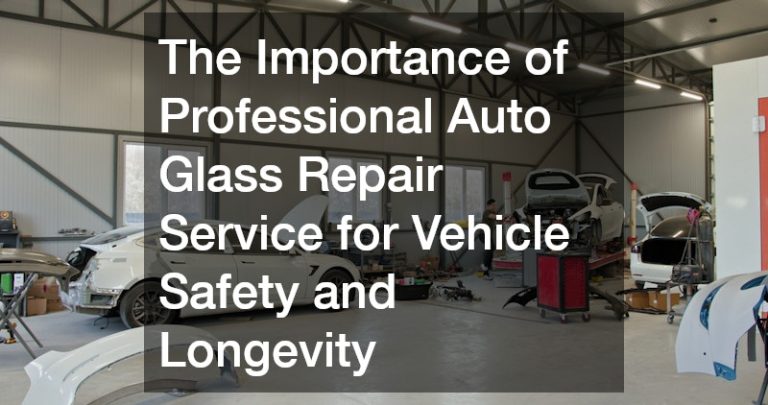
In some cases, an auto glass repair service can stop the problem before it spreads. Fast treatment is especially helpful for small chips that have not yet become full cracks. When the damage is too large or structurally concerning, auto glass replacement is usually the safer choice.
This part of the project matters for several reasons:
- Better visibility improves safety
- Windshields support vehicle structure
- Delayed repairs often become more expensive
- Modern vehicles may need recalibration after replacement
Clean, intact glass also makes a car feel much better maintained. It is a small detail that changes the whole impression of the vehicle.
Restore the Interior for Everyday Comfort
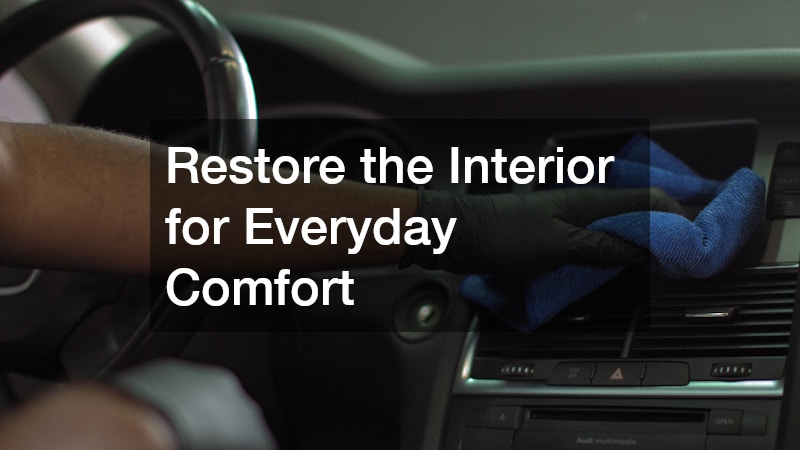
Interior restoration often delivers one of the biggest day-to-day improvements because it affects every drive. You see and feel the cabin more often than the exterior, so even modest interior upgrades can make the vehicle feel significantly newer.
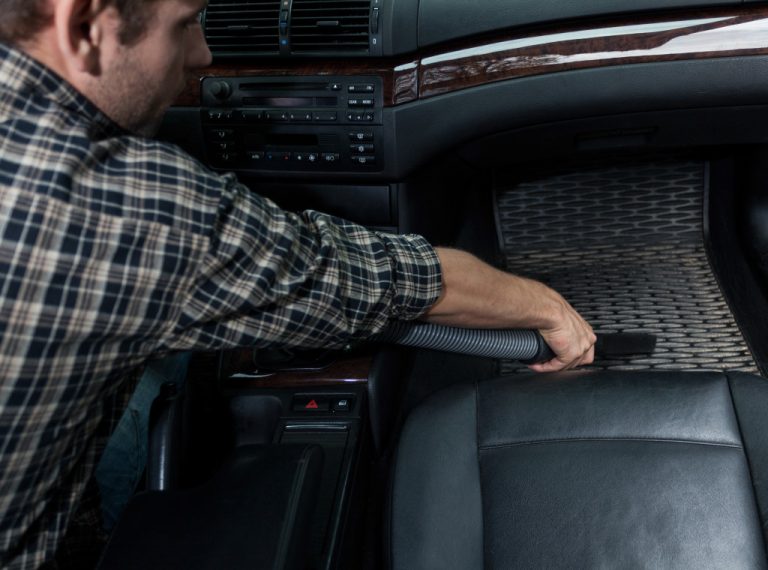
Check the seats, carpet, headliner, door panels, center console, and storage areas. Look for tears, worn bolsters, stains, sagging fabric, broken trim, and smells that make the cabin feel older than it is. The goal is not necessarily to make the interior perfect. It is to make it clean, comfortable, and consistent.
Targeted auto fabric repair can be a smart option when cloth seats or soft materials are torn, separating at the seams, or showing localized wear. Repairing those areas early is often more affordable than replacing larger sections later.
To improve the cabin without overspending:
- Deep-clean carpets and seats
- Remove odors instead of masking them
- Repair loose or rattling trim
- Replace badly worn floor mats
- Clean out clutter and organize storage spaces
A refreshed interior does more than look good. It changes how the car feels to live with and often makes owners more motivated to keep the rest of the vehicle in shape.
Put Function Ahead of Flash
A vehicle should not only look better after a revamp. It should drive better too. Once the obvious cosmetic issues are addressed, focus on the practical fixes that improve your daily experience behind the wheel.
For many owners, the most noticeable upgrades are not flashy at all. Smooth brakes, responsive steering, quiet suspension, working climate control, and good tires can make a car feel transformed. These improvements often create more satisfaction than cosmetic add-ons because they affect every trip.
Prioritize items such as:
- Brakes and tires
- Alignment and suspension
- Battery and charging system
- Fluid leaks and overdue maintenance
- Wipers, lights, and climate control
- Warning lights and drivability concerns
Reliable auto repair services can help you separate urgent fixes from recommended maintenance. That matters because not every problem needs immediate action, but some do. Building a relationship with local auto repair services can also make future upkeep easier, especially if you plan to keep the vehicle for a while.
Know What to DIY and What to Leave to Pros

One of the easiest ways to control revamp costs is to do simple, low-risk tasks yourself while leaving specialized work to professionals. The trick is being realistic about your tools, experience, and patience.
DIY-friendly jobs often include washing, decontaminating paint, replacing wiper blades, basic interior detailing, installing simple accessories, and handling very minor touch-up work. These tasks can save money and still make a noticeable difference.
Professional work is the better call when safety, structure, or specialized finishing is involved. Mistakes in those areas can cost more to fix than the original repair would have.
Jobs best left to professionals include:
- Collision and panel work
- Glass installation
- Paint blending and refinishing
- Electrical diagnosis
- Brake and suspension work without proper experience
- Sensor-related repairs
There is no prize for doing everything yourself. The goal is getting the best result without creating new problems.
Work in Phases Instead of All at Once
Revamping a car can feel overwhelming when every flaw is visible at the same time. The easiest fix is to build a step-by-step plan. Breaking the project into phases makes it more affordable, more organized, and easier to complete well.
A practical order looks like this:
- Inspect the vehicle fully
- Handle safety and reliability repairs
- Fix body damage
- Improve paint condition
- Repair or replace damaged glass
- Restore the interior
- Finish with detailing and protection
This approach helps because each step supports the next. There is little sense in perfecting the interior before body work is done, or investing heavily in appearance before you know the vehicle is mechanically solid.
It also helps to document the process. Keep receipts, estimates, before-and-after photos, and warranty details. That record is useful for resale, and it makes it easier to track what has already been done.
Protect the Results With Better Maintenance Habits
Once the car looks and feels better, maintenance becomes the key to keeping it that way. Most vehicles slide backward because owners stop paying attention after the major work is finished. A few steady habits make all the difference.
Focus on a maintenance routine that is easy to stick with:
- Wash the exterior regularly
- Clean the interior before stains and dirt build up
- Fix small chips, tears, and cracks early
- Check fluids and tires on a schedule
- Reapply protective products when needed
- Pay attention to new sounds, smells, or warning lights
Consistent upkeep protects both appearance and performance. It also helps you catch problems early, when they are usually cheaper and easier to solve.
Revamping your vehicle is really about restoring the parts that matter most. When you start with a clear assessment, fix the most important issues first, and improve the car in a smart order, you get better results and avoid wasted money.
The biggest transformation often comes from a combination of practical improvements and visible care. Better body condition, a cleaner finish, intact glass, a refreshed interior, and dependable performance all work together to make a vehicle feel newer and more enjoyable.
You do not need to do everything at once to make a real difference. A thoughtful plan, steady progress, and better maintenance habits can turn even an older car into something you feel proud to drive again.