
Every driver relies on their vehicle for daily commutes, weekend road trips, and essential errands. Maintaining a car so that it runs reliably and safely requires consistent care and attention. While modern vehicles are built with advanced technology and sturdy materials, no car is immune to routine wear, tear, and mechanical issues over time. Neglecting routine maintenance can lead to costly repairs, compromised safety, and unexpected breakdowns on the road.
To ensure your vehicle remains in top condition, partnering with dependable, community-based automotive experts is invaluable. Local service providers offer localized expertise, personalized care, and convenient access to routine and specialized repairs. Understanding which services are essential for your vehicle helps you stay proactive, save money, and drive with confidence.
Preventive Routine Maintenance
Monitoring Fluid Quality and Scheduled Service Intervals
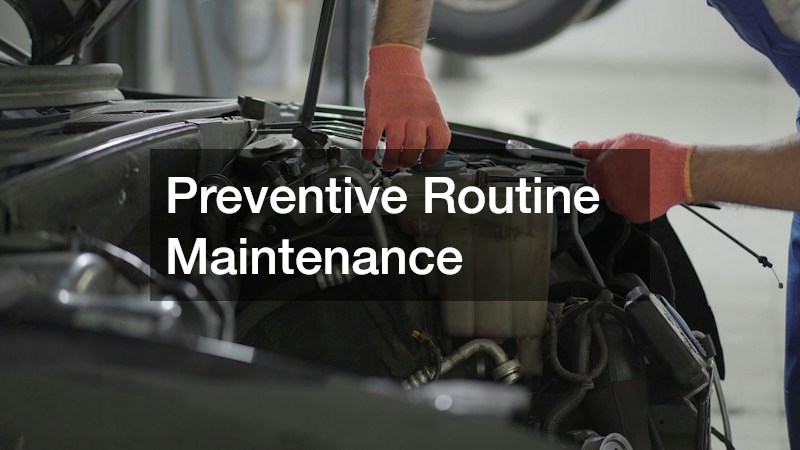
Regular preventive care forms the backbone of long-term vehicle health and safety. Every car relies on multiple vital fluids, including engine oil, coolant, transmission fluid, and power steering fluid, to reduce friction and dissipate heat. Over time, these fluids degrade and collect debris, which significantly decreases their effectiveness. Scheduling routine auto maintenance services at recommended intervals ensures that critical fluids are refreshed and all core systems are inspected before minor issues turn into costly mechanical failures.
During routine checkups, mechanics perform multi-point inspections to identify worn belts, failing hoses, and minor leaks. Consistently following your vehicle manufacturer maintenance schedule helps preserve fuel efficiency, extends engine life, and prevents sudden mechanical breakdowns during daily driving.
Changing Engine Oil and Filters to Protect Internal Components
Engine oil plays a primary role in lubricating moving parts, preventing heat buildup, and cleaning metal surfaces inside the engine block. Driving with old or dirty oil causes friction, which can accelerate internal wear and lead to engine overheating. Replacing the oil and oil filter at regular intervals removes accumulated sludge and ensures smooth internal operation.
In addition to engine oil, air filters and cabin filters should be checked periodically. A fresh engine air filter improves air intake efficiency and combustion, while a clean cabin air filter ensures that clean air circulates through the interior heating and air conditioning systems.
Comprehensive Brake Care
Identifying Early Indicators of Brake System Wear
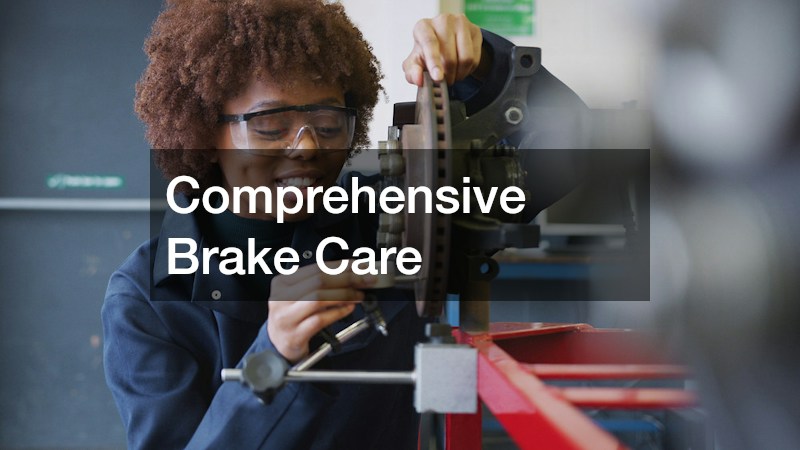
Your vehicle braking system is arguably the single most critical safety component on the road. Being able to recognize the early signs of brake deterioration allows you to address safety concerns before braking power becomes severely compromised. Common indicators of worn brakes include high-pitched squealing noises, grinding sounds during stopping, a spongy brake pedal, or vibrations through the steering wheel.
Ignoring these warning signs can lead to damaged rotors, longer stopping distances, and an increased risk of collisions. Promptly addressing unusual sounds or changes in pedal responsiveness helps protect both your vehicle and everyone on the road.
Professional Inspections and Hydraulic Component Upgrades
Professional technicians perform detailed evaluations of pads, rotors, calipers, and hydraulic lines to ensure maximum stopping efficiency. Quality brake services involve measuring pad thickness, resurfacing or replacing worn rotors, and flushing old brake fluid to eliminate moisture contamination.
When hydraulic components, such as brake lines or master cylinders, show signs of leakage or deterioration, immediate repairs are necessary. Fresh brake fluid and well-maintained mechanical components restore firm pedal feel and reliable stopping power under all driving conditions.
Engine and Drivetrain Repair Solutions
Addressing Engine Diagnostics and Ignition Performance
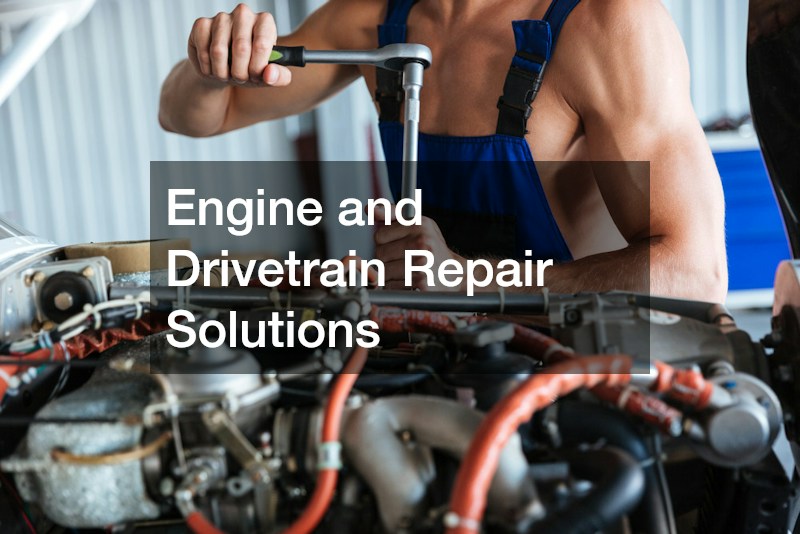
The engine and transmission represent the most complex and expensive systems in any motor vehicle. When an engine light appears on the dashboard, modern diagnostic tools allow technicians to read error codes and isolate underlying issues quickly. Problems can range from faulty oxygen sensors and misfiring spark plugs to complex vacuum leaks.
Maintaining ignition performance through timely plug replacements, fuel system flushes, and sensor calibrations ensures optimal fuel combustion. Proper engine diagnostics prevent poor fuel economy, rough idling, and engine damage over time.
Restoring Major Drivetrain and Gearbox Functionality
When major drivetrain components suffer severe mechanical wear, specialized repairs become unavoidable. Gearboxes subjected to heavy usage or neglected fluid changes may experience slipping gears, delayed engagement, or severe grinding sounds. In cases where internal gears and clutches are damaged beyond minor repair, undergoing a complete transmission rebuild is often the most reliable solution to restore optimal torque transfer and smooth shifting.
Drivetrain maintenance also includes inspecting drive shafts, universal joints, and differentials. Keeping these heavy-duty components properly lubricated and balanced ensures efficient power delivery from the engine directly to the drive wheels.
Suspension, Steering, and Wheel Alignment
Correcting Wheel Misalignment to Extend Tread Life
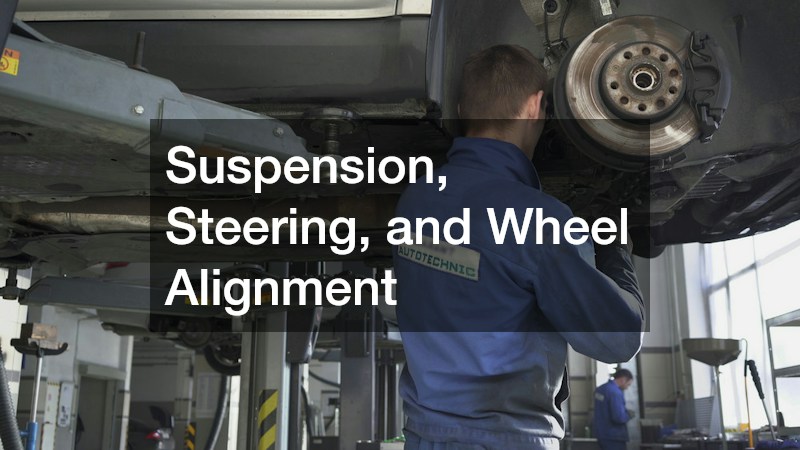
A vehicle suspension and steering systems control ride comfort, handling stability, and tire longevity. Hitting potholes, curbs, or rough road surfaces can easily knock wheels out of proper alignment. Signs of misaligned wheels include uneven tire wear, steering wheel off-center positioning, and a vehicle that constantly pulls toward one side of the road.
Getting regular wheel alignments ensures that tires make even contact with the pavement. Proper alignment reduces rolling resistance, improves handling precision, and significantly extends the usable lifespan of your tires.
Replacing Worn Struts, Shock Absorbers, and Steering Joints
Suspension components, such as shock absorbers, struts, ball joints, and tie rods, gradually wear out after thousands of miles of travel. Worn shocks cause excessive bouncing, body roll during turns, and unstable braking performance.
Replacing deteriorated suspension parts restores smooth handling, keeps tires planted on the road surface, and protects other chassis components from excessive vibration and shock.
Specialized Foreign and Luxury Vehicle Care
Sourcing Factory-Grade Parts and Specialized Tools
Foreign and European vehicles often require unique repair techniques, specialized diagnostic hardware, and precision engineering standards. Standard domestic vehicle practices may not always apply to these complex systems. Utilizing certified import auto repair facilities ensures that your foreign vehicle receives components and service procedures that meet strict factory guidelines.
Specialized technicians possess the specialized expertise needed to handle intricate engine layouts, advanced electronic networks, and high-performance braking setups commonly found in imported automobiles.
Navigating Complex European and Asian Electrical Systems
Modern foreign vehicles incorporate highly sophisticated electrical frameworks, ranging from delicate sensor networks to central computing modules. When electrical faults occur, expert technicians utilize brand-specific software to diagnose communication errors between control modules accurately.
Proper handling of these complex systems prevents improper wiring repairs and guards against accidental damage to delicate onboard microprocessors and comfort controls.
Exterior Structural and Collision Repairs
Fixing Structural Frame Misalignment After Impacts
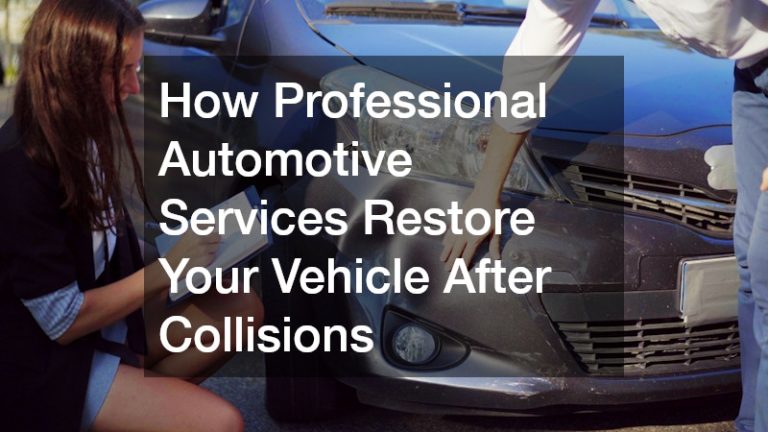
Even minor traffic accidents can result in severe structural or cosmetic damage to a car exterior. Professional bodywork shops utilize hydraulic frame-straightening equipment, digital measuring systems, and advanced welding techniques to restore a damaged vehicle chassis back to factory safety specifications.
Ensuring structural integrity is essential because a weakened frame compromises crash protection in future collisions. Skilled technicians realign structural pillars, inner panels, and bumper supports to maintain maximum occupant safety.
Repairing Cosmetic Dents, Scratches, and Surface Panels
Beyond structural integrity, exterior cosmetic defects require prompt attention to preserve vehicle aesthetics and prevent rust formation. Quality auto body repairs range from paintless dent removal for minor door dings to complete fender replacement and computerized paint matching.
Addressing surface scratches and deep paint chips seals the underlying metal against moisture, road salt, and environmental pollutants, preventing corrosion from spreading across panel surfaces over time.
Emergency Roadside Assistance and Recovery
Preparing for Sudden Mechanical Breakdowns and Flat Tires
No matter how well a vehicle is maintained, unexpected emergencies like flat tires, dead batteries, or cooling system leaks can occur without warning. Having access to a reliable local towing service gives drivers peace of mind knowing that quick assistance is available when stranded on the shoulder or in a remote parking lot.
Emergency operators provide crucial support by safely transporting disabled vehicles to qualified repair facilities or offering immediate assistance like jump-starts, lock-out help, and tire changes.
Remaining Safe While Awaiting Roadside Assistance
If your car becomes disabled while driving, safety must immediately become your top priority. Pull off the roadway onto a wide shoulder or into a well-lit parking lot if possible. Turn on your hazard lights immediately to warn approaching motorists of your presence.
Stay inside your vehicle with your seatbelt fastened if you are parked near active traffic lanes. If you must exit the vehicle, step out on the side opposite of oncoming traffic and move to a safe location behind guardrails or off the shoulder.
Auto Glass Restoration and Protective Window Enhancements
Repairing Windshield Cracks and Windshield Replacements
Clear visibility is fundamental to safe driving. Chips and small cracks in a windshield can obscure your view and spread rapidly when exposed to temperature changes or rough roads. Promptly repairing small stone chips restores structural strength and prevents the need for a full glass replacement.
If a crack is too large or lies directly in the driver field of vision, complete replacement becomes necessary. Quality technicians use high-grade adhesives and factory-spec glass to ensure correct fitment and proper operation of advanced driver-assist sensors mounted behind the mirror.
Applying Protective Window Treatments for UV and Heat Defense
Beyond basic repairs, custom glass treatments offer enhanced driving comfort and interior protection. Professional windshield tinting helps reduce harsh sun glare, blocks harmful ultraviolet rays, and significantly lowers heat accumulation inside the cabin during warm summer months.
Reduced glare improves visual clarity while driving toward direct sunlight, lowering eye strain. Additionally, high-quality window films preserve interior upholstery, leather seats, and plastic dashboards from drying out and cracking over time.
Vehicle Reconditioning and Aesthetic Preservation
Deep Cleaning Interior Surfaces and Upholstery
Preserving the interior environment of a vehicle is essential for driving comfort and long-term resale value. Dust, dirt, moisture, and food spillage accumulate in carpets and seat fabrics, creating unpleasant odors and breeding bacteria. Seeking out dedicated auto detailers ensures that interior surfaces undergo thorough vacuuming, steam cleaning, stain extraction, and leather conditioning.
Thorough deep cleaning protects sensitive cabin materials from premature fading and wear, maintaining a fresh, healthy, and pristine environment for drivers and passengers alike.
Paint Correction, Polishing, and Exterior Sealants
Exterior paint is continuously exposed to harsh environmental factors, including UV radiation, bird droppings, acid rain, and road debris. Over time, paint surfaces develop micro-scratches and swirl marks that dull the clear coat finish.
Professional paint correction involves multi-stage polishing to smooth out surface imperfections. Applying durable ceramic coatings or high-grade synthetic sealants afterwards shields the paint from chemical etching and oxidation, preserving a deep gloss finish for years.
Essential Driver Safety Rules and Awareness
Observing Speed Limits and Adjusting to Weather Conditions
A well-maintained vehicle must always be paired with responsible driving habits. Adhering to posted speed limits allows sufficient reaction time when unexpected hazards appear. Speeding increases stopping distances exponentially and significantly decreases your control over the vehicle in emergency maneuvers.
Adverse weather conditions like rain, snow, fog, and ice demand reduced speeds and increased follow distances. Adjusting your speed to match environmental visibility and road traction helps prevent skidding, hydroplaning, and sudden loss of control.
Maintaining Safe Following Distances and Lane Discipline
Maintaining an adequate buffer zone around your car is essential for avoiding rear-end collisions. The three-second rule provides a baseline following distance in clear conditions, which should be doubled during poor weather or night driving. Leaving ample space gives you time to react smoothly if the vehicle ahead stops unexpectedly.
Practicing proper lane discipline involves using turn signals early, avoiding sudden lane changes, and staying out of blind spots of large commercial trucks. Smooth, predictable driving minimizes stress on your vehicle’s mechanical systems while keeping overall traffic flowing safely.
Recognizing and Obeying Traffic Direction Markers
Navigating busy intersections, highway exits, and construction zones requires constant visual vigilance. Pay close attention to every official road sign along your route, as these markers provide critical information regarding lane closures, speed changes, pedestrian crossings, and right-of-way rules.
Ignoring directional warnings or regulatory markers increases the risk of side-impact collisions and dangerous traffic conflicts. Staying fully alert to changing road conditions ensures that you can react safely and smoothly to surrounding traffic patterns.
Ensuring your car remains safe, reliable, and comfortable demands a balanced approach combining proactive vehicle maintenance, expert specialized services, and attentive driving habits. From foundational oil changes and brake system flushes to specialized drivetrain repairs, structural bodywork, and emergency roadside support, trusted local automotive professionals play an indispensable role in extending the life of your vehicle.
By addressing small mechanical issues early, keeping up with routine interior and exterior care, and remaining vigilant behind the wheel, you protect your automotive investment and safeguard everyone sharing the road with you. Establishing a relationship with skilled local automotive specialists ensures that whenever unexpected repairs or routine service needs arise, expert help is always nearby.