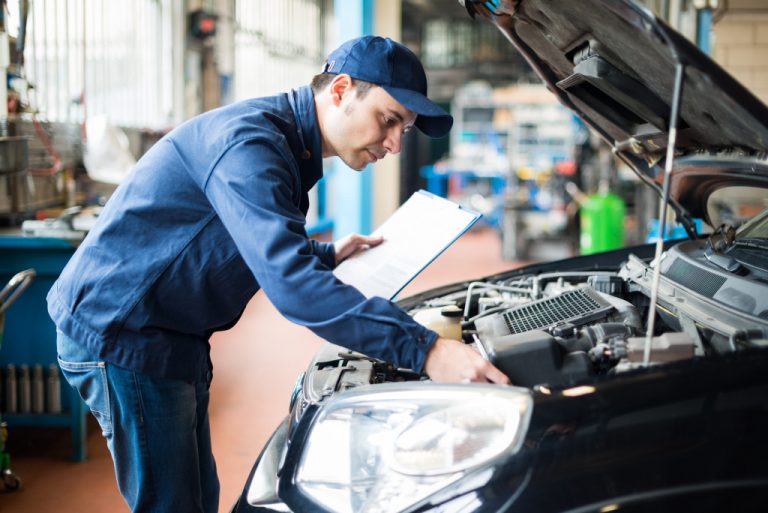
Most vehicle breakdowns do not happen out of nowhere. Long before a warning light flashes on your dashboard or your engine refuses to turn over on a freezing morning, small components quietly wear down under daily heat, friction, and road debris. Waiting until something fails almost always turns a routine, inexpensive task into an emergency tow and a major bill. Whether you commute in a compact sedan or haul heavy equipment in a full-size pickup, keeping your vehicle dependable comes down to consistent, proactive care. A reliable maintenance routine balances what happens under the hood with how you protect your exterior surfaces from weather and wear. By following a structured schedule for fluids, inspections, surface protection, and trusted technical support, you can extend the life of your vehicle by tens of thousands of miles, preserve its resale value, and drive with genuine peace of mind every single day.
Mastering Routine Mechanical Upkeep and Inspections
Stick to a Strict Fluid Exchange Schedule Beyond Just Oil Changes
Engine oil gets all the attention, yet five other vital fluids keep your powertrain alive and cool under extreme stress. Over time, heat cycles break down chemical additives, and moisture infiltrates sealed systems, turning protective lubricants into corrosive sludge. While changing full synthetic oil every 5,000 to 7,500 miles is non-negotiable, ignoring transmission fluid, coolant, and brake fluid will quietly shorten your vehicle’s lifespan. Scheduling comprehensive auto repair services at regular mileage milestones prevents internal metal-on-metal wear before symptoms ever appear.
Check your owner’s manual for exact severe-duty intervals, and make a habit of inspecting fluid levels and colors in your driveway once a month:
- Transmission fluid: Should appear bright red or amber rather than dark brown or burnt-smelling; service every 30,000 to 60,000 miles.
- Brake fluid: Absorbs moisture from the air over time, lowering its boiling point and corroding internal caliper seals; flush every two years regardless of mileage.
- Engine coolant: Prevents both winter freezing and summer boil-overs while lubricating the water pump; replace every 30,000 to 50,000 miles.
- Differential and transfer case fluids: Crucial for four-wheel-drive and all-wheel-drive vehicles that tow or drive in wet conditions.
Rotate Tires Regularly and Correct Suspension Geometry Early
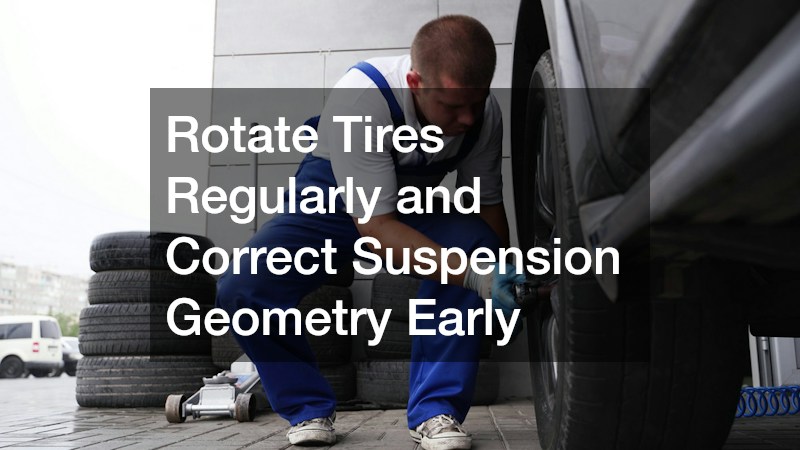
Tires are the only part of your vehicle that actually touch the pavement, making tire care one of the highest-return habits any driver can build. Because front and rear axles carry different weights and handle steering forces unevenly, tires naturally wear at different rates. Rotating your tires every 5,000 to 7,500 miles equalizes tread depth across all four corners, extending tire life by thousands of miles and maintaining predictable wet-weather traction. If you notice your steering wheel sitting slightly off-center or feel a subtle pull on straight highways, visiting a dedicated car alignment shop right away will stop uneven shoulder wear before a pricey set of tires is ruined.
Pay close attention to these subtle suspension and tire warning signs between rotations:
- Feathered or cupped tread edges: Run your bare palm across the tread blocks; sharp, uneven ridges signal worn shocks or improper toe angles.
- Steering wheel vibration at highway speeds: Usually points to an out-of-balance wheel or a bent rim from a recent pothole impact.
- Underinflated sidewalls: Check cold tire pressures monthly with a digital gauge, as losing just a few PSI increases rolling resistance and fuel consumption.
Monitor Brake Pad Thickness, Rotor Health, and Battery Voltage
Brakes and batteries rarely fail without giving subtle clues weeks in advance, provided you know what to look and listen for. You can inspect outer brake pad thickness right through the spokes of most modern wheels using a small flashlight. Once the friction material wears down to roughly three millimeters—about the thickness of two stacked pennies—you are entering the danger zone where metal backing plates can score your rotors. Establishing a baseline inspection routine with a dependable local auto repair provider ensures worn pads and aging batteries are caught during routine visits rather than leaving you stranded.
Keep an eye on these everyday indicators of braking and electrical health:
- High-pitched squealing: Built-in metal wear indicators are intentionally rubbing against the rotor to tell you pad replacement is due soon.
- Brake pedal pulsation: A rhythmic vibration felt through your foot during highway deceleration indicates uneven rotor thickness or heat spots.
- Slow morning engine cranking: Most automotive batteries last three to five years; sluggish starts or dimming interior lights signal weak cold-cranking amps that warrant a load test before winter hits.
Replace Engine and Cabin Air Filters Before Airflow Drops
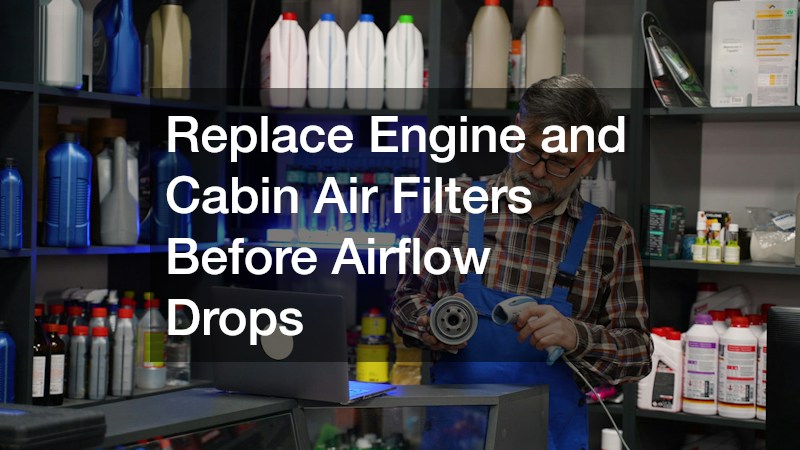
Your vehicle relies on clean, unrestricted airflow to burn fuel efficiently and keep the interior cabin comfortable. The engine air filter acts as the first line of defense against dust, pollen, sand, and road grit, preventing abrasive particles from entering the cylinders and scoring piston walls. When that filter becomes packed with debris, your engine struggles to breathe, leading to sluggish throttle response and reduced fuel economy. While most drivers can swap a filter in five minutes at home, persistent intake warnings or rough idling often require diagnostic testing at reputable auto repair shops to verify mass airflow sensor accuracy.
Follow these practical guidelines to stay ahead of clogged filtration systems:
- Inspect every 12,000 miles: Hold the pleated paper element up to a bright shop light; if light barely passes through, replace it immediately.
- Account for dusty environments: Driving on gravel roads, near construction zones, or in agricultural regions can cut filter lifespan in half.
- Never neglect the cabin air filter: Located behind most gloveboxes, a clogged cabin filter strains your HVAC blower motor, reduces defroster output, and circulates musty allergens inside the vehicle.
Protecting Exterior Surfaces, Paint, and Cargo Areas
Decontaminate Paintwork and Lock In Long-Term Gloss
Daily driving exposes your vehicle’s clear coat to ultraviolet radiation, acidic bug splatter, bird droppings, tree sap, and winter road brine. Over time, these contaminants etch into the top layer of paint, causing oxidation, dullness, and permanent clear-coat failure. Automatic brush car washes often worsen the problem by dragging trapped grit across your panels, leaving behind webs of fine swirl marks. Investing in a professional car ceramic coating after thorough paint decontamination creates a durable, hydrophobic barrier that bonds chemically to the clear coat, repelling water and road grime for years rather than washing away after a few rainstorms.
Adopt these safer washing and surface care habits to preserve factory paintwork:
- Use the two-bucket wash method: Keep one bucket with pH-neutral car shampoo and a second rinse bucket fitted with a grit guard to rinse your microfiber wash mitt between panels.
- Decontaminate iron fallout twice a year: Apply a dedicated iron remover and clay bar treatment to lift embedded brake dust particles before applying protective sealants.
- Remove acidic contaminants immediately: Keep a quick detailer spray and soft microfiber towel in your trunk to safely wipe away bird droppings before the sun bakes them into the paint.
Shield Truck Beds From Dents, Scratches, and Rust
Pickup beds take more physical punishment than almost any other part of a vehicle. Sliding toolboxes, loading jagged firewood, hauling landscaping stone, and shifting cargo quickly gouge bare painted steel or aluminum. Once factory paint chips away, moisture settles into the exposed seams and accelerates structural rust from the inside out. Having a thick polyurethane spray in bed liner professionally applied forms an airtight, textured shield that molds directly to every contour of the bed floor, wheel wells, and tailgate without leaving gaps where water can pool unseen.
To get maximum durability out of your cargo bed protection, focus on proper preparation and upkeep:
- Verify thorough surface preparation: Proper adhesion requires scuffing the factory clear coat, masking drain holes cleanly, and degreasing every corner prior to application.
- Check tailgate gaps and edges: Ensure the top bed rails and tailgate lip are fully coated, as these high-contact zones suffer the heaviest impact during loading.
- Rinse out abrasive grit regularly: Hose out sand, gravel dust, and chemical spills so abrasive debris does not grind against your cargo or finish over time.
Compare Cargo Protection Options and Maintain Drainage Channels

Not every truck owner uses their cargo box the exact same way, which is why choosing the right bed protection strategy matters for both utility and longevity. While permanent coatings excel at preventing rust and keeping items from sliding during hard braking, heavy-duty rubber bed mats add extra impact cushioning when dropping heavy cast-iron equipment or concrete blocks. Whichever style of truck bed liner you rely on, neglecting routine cleaning underneath and around the perimeter can allow damp leaves and organic debris to trap moisture against painted metal seams.
Keep your cargo area clean, dry, and functional with these straightforward maintenance checks:
- Clear bulkhead drainage holes: Inspect the narrow gaps at the front corners of the bed floor near the cab and remove pine needles, mud, or twigs blocking water runoff.
- Wash away fertilizer and de-icing salts: Agricultural chemicals and winter road salts can corrode metal fasteners and tailgate latches if left sitting in damp corners.
- Apply a non-greasy UV protectant: Periodically treat sun-exposed surfaces with a water-based UV blocker to prevent fading and keep the texture supple without making the floor dangerously slick.
Inspect Lower Rocker Panels and Install Functional Step Hardware
Lower doors, cab corners, and rocker panels endure a constant barrage of gravel, mud, and corrosive slush kicked up by your front tires. On lifted trucks and full-size SUVs, this lower body line is almost always the first area to develop paint chips and structural rust. Installing sturdy pickup truck running boards serves a smart dual purpose: they provide a wide, slip-resistant step for safer cab entry while acting as a physical shield that deflects flying rocks away from vulnerable lower sheet metal. Adding proper step hardware also saves your driver’s seat bolster from premature wear caused by sliding off the edge of the cushion every time you exit.
Maintain your step hardware and lower body panels with these seasonal habits:
- Flush mounting brackets every spring: Spray high-pressure water behind the rocker panels and around steel mounting brackets to clear out trapped winter salt and dried mud.
- Check fastener torque annually: Vibration from rough roads can slowly loosen undercarriage bolts; inspect and tighten mounting hardware once a year.
- Touch up rock chips immediately: Clean small paint nicks along the lower doors with rubbing alcohol and seal them with color-matched touch-up paint before surface rust forms.
Building a Smart Maintenance Routine and Support Network

Vet Technicians Early and Keep a Digital Service Log
The worst time to search for a trustworthy technician is when your vehicle is sitting on the back of a flatbed tow truck. Building a relationship with skilled local auto mechanics while your car or truck is running well gives you time to evaluate their communication style, diagnostic transparency, and parts warranty policies. Alongside choosing the right shop, maintaining a complete digital folder of every oil change, fluid flush, tire rotation, and part replacement creates an indisputable health record that speeds up future troubleshooting and commands top dollar when you eventually sell or trade in your vehicle.
Use these criteria to evaluate service providers and organize your vehicle records:
- Look for clear digital inspections: Great technicians send photos and measurements of worn components rather than relying on vague verbal pressure.
- Verify parts and labor warranties: Ask whether repairs are backed by a nationwide or multi-year warranty on both replacement parts and workmanship.
- Log dates, mileage, and fluid specs: Snap a quick photo of every itemized invoice and save it in a dedicated cloud folder sorted chronologically by odometer reading.
Choose Purpose-Built Gear That Protects Your Vehicle Daily
Aftermarket upgrades should solve real everyday problems rather than simply adding clutter to your vehicle. High-value functional additions—such as laser-measured all-weather floor liners, heavy-duty mud flaps, locking tonneau covers, and bed cargo dividers—actively protect your interior carpets, exterior paint, and hauled gear from daily wear. Working with knowledgeable local truck accessories specialists helps you verify exact model-year fitment, avoid cheap plastics that crack in freezing temperatures, and ensure any electrical add-ons integrate cleanly without voiding factory warranties.
Prioritize these practical, protection-focused upgrades when outfitting your daily driver:
- Deep-channel floor liners: Trap melted snow, coffee spills, and mud before liquids soak into factory carpet padding and cause permanent odors or floor-pan corrosion.
- Contoured splash guards: Extend coverage behind your wheel wells to dramatically reduce rock chips along lower doors and rear quarter panels.
- Weather-sealed tonneau covers: Shield cargo from rain and theft while smoothing airflow over the bed to improve highway aerodynamics.
Caring for your vehicle doesn’t require mechanical expertise or a huge budget—just consistent attention to small details before they become costly repairs. Staying disciplined with fluid exchanges, tire rotations, brake checks, and filter changes keeps your drivetrain running smoothly, while protecting your paint, cargo bed, and lower panels preserves long-term value. Start simple this week by checking your tire tread and fluid levels and let a few steady habits keep you safely on the road for years.